
Ketamine Therapy (Interventional Psychiatry)
Rapid-acting neuroplastic intervention for Treatment-Resistant Depression (TRD)

Understanding Beyond Diagnosis
When standard medications fail to lift deep depression, hopelessness can feel overwhelming. Ketamine offers a scientifically validated, fast-acting neurochemical reset, opening a critical window of neuroplasticity for healing.
Treatment Overview
Ketamine therapy represents a major medical breakthrough for individuals battling Treatment-Resistant Depression (TRD) and acute suicidal distress. By targeting the brain's glutamatergic NMDA receptors, Ketamine promotes rapid synaptic neuroplasticity where conventional oral antidepressants have failed.
Key Highlights
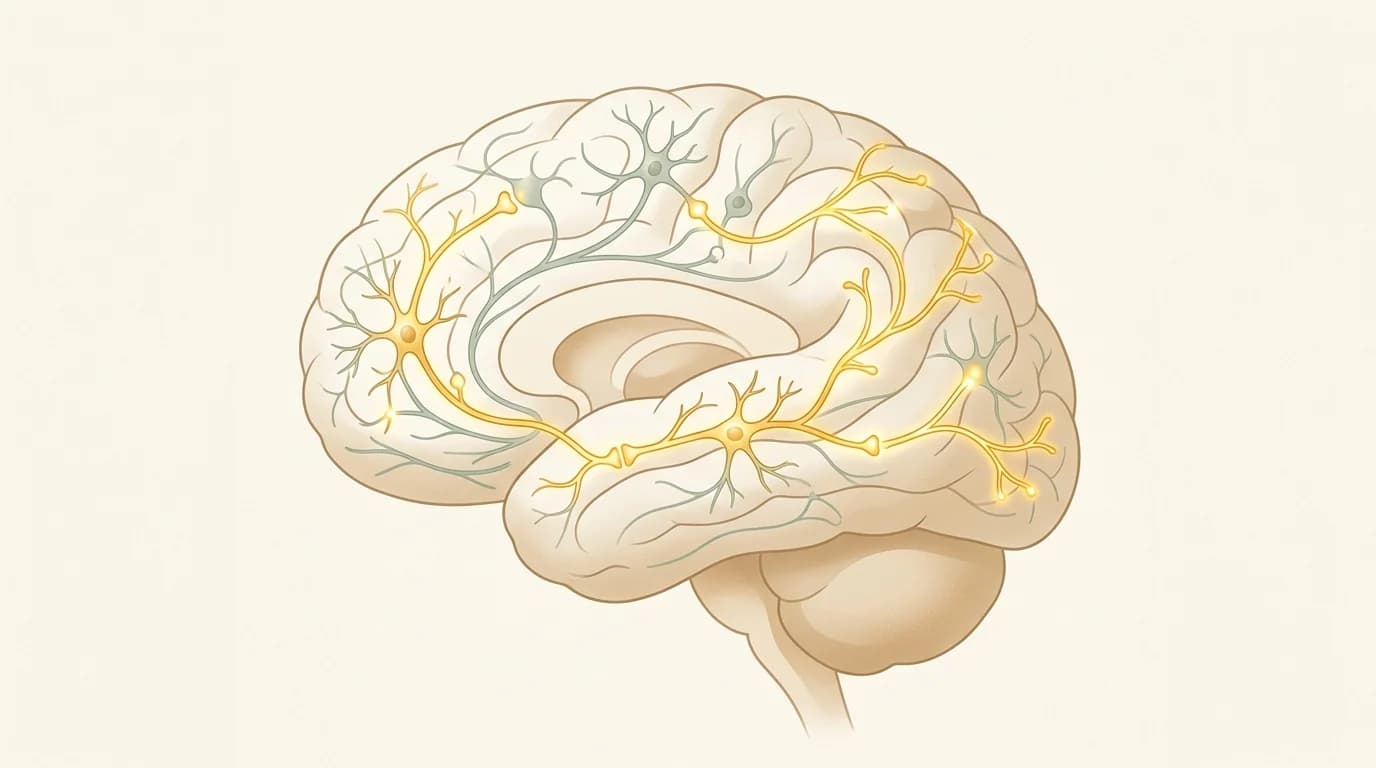
Synaptic Sprouting & Neural Rewiring in Treatment-Resistant Depression
Chronic major depression and long-term stress lead to significant dendritic atrophy—the loss of synaptic connections between neurons in the prefrontal cortex and hippocampus. Unlike traditional monoamine antidepressants (SSRIs) that take weeks, Ketamine acts via NMDA receptor antagonism to rapidly stimulate Brain-Derived Neurotrophic Factor (BDNF), inducing fresh synaptogenesis within 24 hours.
Bypasses slow monoamine pathways to trigger immediate downstream synaptic transmission.
Elevates BDNF and activates the mTOR pathway, rebuilding neural connections lost to depression.
Opens a critical cognitive window where psychotherapy and positive behavioral changes take root faster.
Clinical candidates for Ketamine Therapy:
You do not need to check every symptom to seek an evaluation. If any of these challenges are interfering with your life, we are here to assist.
Treatment-Resistant Depression (TRD)
Major depression that has failed to improve despite adequate trials of two or more conventional oral antidepressants.
Severe Chronic Anhedonia & Emotional Paralysis
Persistent inability to feel joy, motivation, or emotional connection despite ongoing therapy and medications.
Urgent Suicidal Despair & Crisis Relief
Rapid reduction of intense, acute suicidal thinking while broader long-term treatment is established.
Bipolar Depression (Treatment-Refractory)
Depressive phases of bipolar disorder under careful psychiatric stabilization and mood-stabilizer coverage.
Severe PTSD & Anxiety States
Severe post-traumatic distress and hyperarousal unresponsive to traditional pharmacological lines.
What to Expect Step-by-Step
A structured, transparent pathway designed to keep you informed, supported, and in control.
Psychiatric & Medical Pre-Screening
Thorough cardiovascular check, blood pressure baseline, psychiatric history review, and suitability screening.
Controlled In-Clinic Administration
Comfortably seated in a quiet room with soft lighting. Administered under exact clinical protocols.
Continuous Real-Time Vital Monitoring
Constant observation of blood pressure, heart rate, oxygen saturation, and subjective patient comfort.
Post-Treatment Recovery & Integration
Resting until fully grounded. Post-infusion reflection and scheduled series review.
Questions About Ketamine Therapy
How quickly does Ketamine therapy work?
Unlike oral antidepressants which can take 4–6 weeks to show efficacy, many patients experience measurable improvement in mood and suicidal ideation within 4 to 24 hours of their initial session.
Is Ketamine safe when administered clinically?
Yes. When administered in sub-anesthetic medical doses under continuous clinical vital monitoring by an experienced psychiatrist, Ketamine has a very high safety profile.
How many sessions are typically recommended?
An acute induction course usually consists of 4 to 6 sessions over a period of 2 to 3 weeks, followed by personalized maintenance schedules if needed.
Begin Your Care Journey Today
Consult with Dr. Bhoomi Raval in a confidential, supportive setting in Rajkot or via secure online video consultation.